Airport & Infrastructure

The structure is the strategy.

An airport is not a building. It is a concession, a route policy, a financing structure and a set of long-term relationships that happen to have a runway attached. Most airport development plans fail on the structure long before they fail on the concrete.

bao menglong FhoJYnw cg unsplash scaled

What we do

From feasibility to a bankable structure.

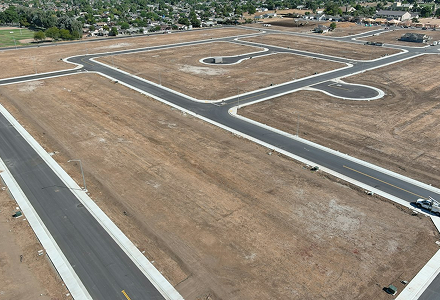
Aerial view of new airfield infrastructure under development

01

Feasibility and masterplanning

What the asset can realistically become, over what period, with which phases, and what has to be true at each gate.

02

Concession structuring

Build-operate-transfer, build-own-operate, and the terms that decide whether an asset is financeable. Concession length, stabilisation clauses and revenue structure decide more than design does.

03

Public-private financing

Structures that development banks and private investors will actually fund, with the state keeping ownership of the asset and, where it chooses, a share of the return.

04

Air service development

How airports attract carriers: route incentives, bilateral agreements, fifth-freedom rights and minimum revenue guarantees. The instruments are proven. The sequencing is where it goes wrong.

05

Ground infrastructure

Private aviation terminals, handling, fuel, cargo and cold chain. The facilities that turn traffic into revenue.

06

Airport city and economic zones

Logistics parks, free trade regimes and maintenance clusters that turn an airport from a transit point into a regional economic engine.

Working with governments

The state is not a bystander.

It owns the gateway, grants the concession, sets aviation policy and provides the political credibility that international operators and banks require. Private parties and development banks can carry most of the investment and most of the risk. A workable structure gives each side what it is good at, and says so explicitly.

We also say what would make a project fail.

An advisory document that only argues in favour is not advice. It is promotion, and a development bank will read it as such.

Where we have done this

National and regional aviation masterplanning in South America, Southeast Asia, China and the Gulf, and advisory to regional airports and public bodies in the Netherlands.

Common questions

What we are often asked.

What does an airport development advisor do?

Independent strategic masterplanning for states and regions, from feasibility and route policy to a concession structure designed to be bankable.

Usually as a build-operate-transfer or build-own-operate concession. The terms decide whether the asset is financeable: concession length, stabilisation clauses and revenue structure decide more than design does.

By getting the structure right before the design: a realistic feasibility study with clear phases and gates, concession terms a lender can accept, and a public-private financing structure that development banks and private investors will actually fund, with the state keeping ownership of the asset.

Through air service development: route incentives, bilateral agreements, fifth-freedom rights and minimum revenue guarantees. The instruments are proven. The sequencing is where it goes wrong.

01

Private Aviation

A luxury business with industrial economics.

02

Advanced Air Mobility

The market before the market exists.

03

Airport & Infrastructure

The structure is the strategy.

04

Aviation

A relationship business running on industrial economics.

05

Aerospace

The decisions that matter most are taken earliest.

06

UHNW Market Growth

The hardest customer in the world to reach.

07

International Markets

Most market entry failures are not strategy failures.

Other expertise